


Caring for and Supporting the Senior Citizens and Elderly
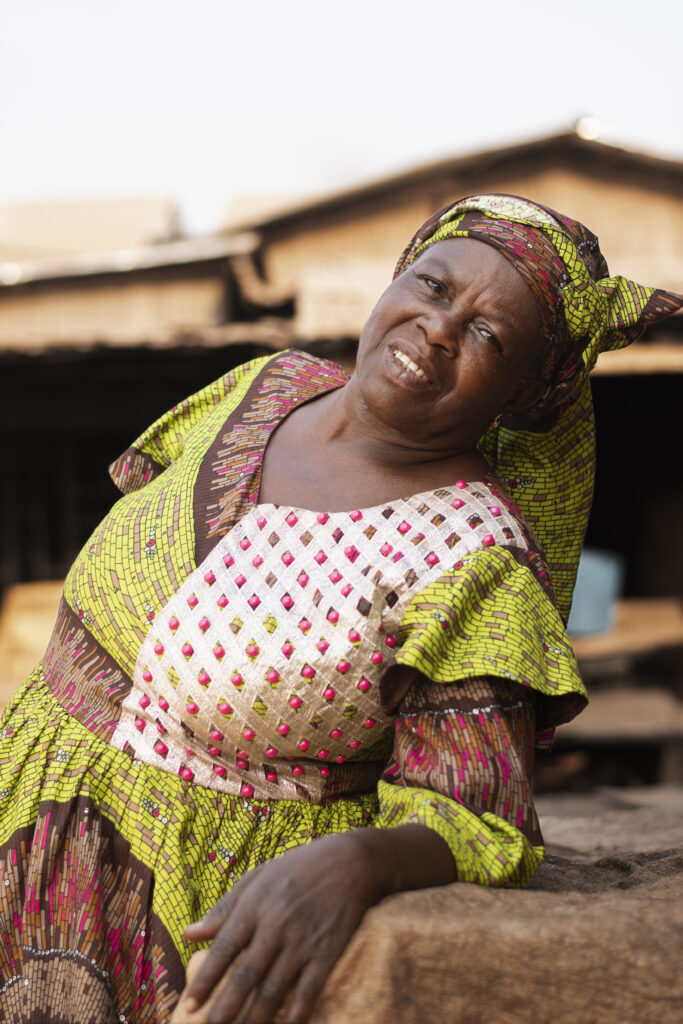
Africa may have the youngest population of any continent, but its elderly population is growing faster than any other region in the world. As a result, the African Union member states adopted the African Charter on Human and People’s Rights on The Rights of Older Persons in Africa in 2016 urging all African countries to create policies and measures; unfortunately, of the 54 member states only 17 signed the charter.
Nigeria has the largest elderly population in Sub-Saharan Africa and signed the charter but does not currently have a functional policy focused on their needs.
Even when countries have policies focused on older populations, the lack of coordination between government agencies along with insufficient budgets make implementing those policies a challenge.
Other challenges in supporting the elderly include caregivers lacking knowledge and understanding of what is needed and from whom or where to obtain it.
Therefore, governments must channel funds in coordination with health professionals and informal caregivers working with the elderly to develop appropriate interventions.
Best practices for improved outcomes for the elderly and their caregivers include access to coaches, mentors, education and training; telephone support groups have also been shown to result in a significant decrease in burden and depression with a simultaneous increase in social support and knowledge among caregivers.
Nigeria was the first country in sub-Saharan Africa to introduce a pension system based on contributory pensions. This pension is based on past earnings and contributions offering an important social safety net; however, payout is often inadequate to cover living expenses since they are a percentage of earnings pre-retirement and are not properly adjusted for inflation.
Furthermore, contributary pensions exclude 90% of Nigerians working in the informal sector. Therefore, Nigeria will also greatly benefit from reforms offering a basic social pension for all its citizens for improved health and economic outcomes for the elderly and their families.