
The Copenhagen Declaration states poverty is a condition characterized by severe deprivation of basic human needs including food, safe drinking water, sanitation facilities, health, shelter and education.
Poverty is not only dependent on income but also involves access to social services. Nigeria is the most populated country in Africa with approximately 202 million inhabitants, making it the seventh most populous country in the world. Nigeria’s gross domestic product (GDP) was reported as $376 billion (USD) and is steadily growing.
Despite Nigeria’s oil wealth and plentiful agricultural resources, poverty is widespread in the country and continues to increase. Nigeria ought to be the richest country in the world with the vast resources and a plentiful workforce, yet over 70% of the country’s population live under the poverty line, representing the paradox of poverty in Nigeria.
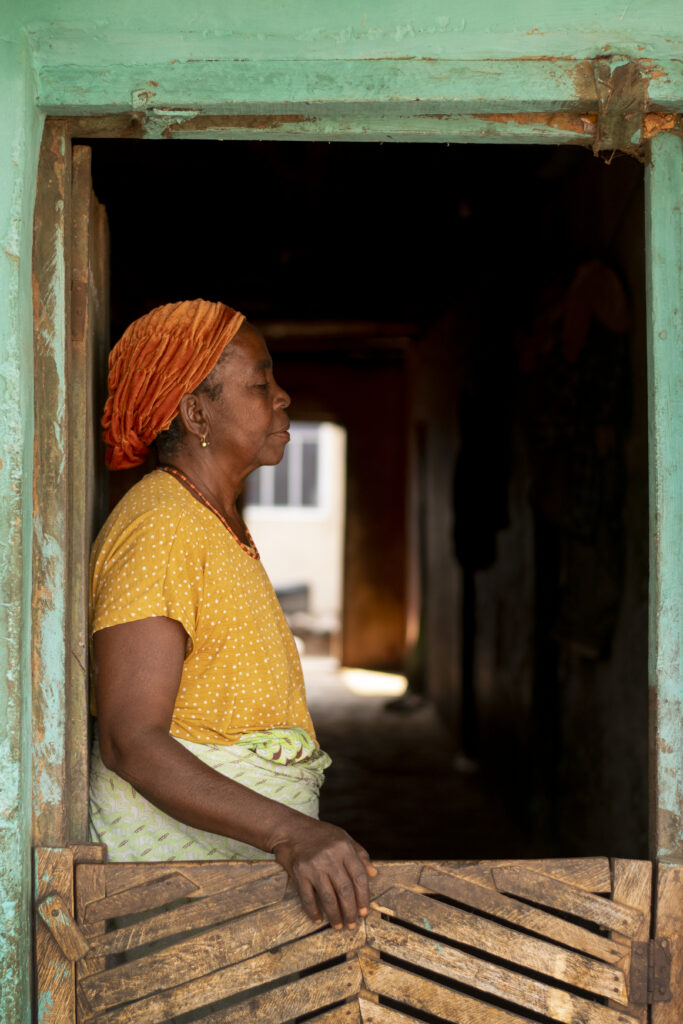
Furthermore, women constitute half of the population with poverty affecting women with greater incidence and any program that ignores half the population cannot effectively address this problem and the crisis of sustainability.
Women in Nigeria do not have equal economic and political empowerment and, in particular, their right to own land. The consequence of gender discrimination in land ownership is women’s lack of access to land which constitutes a major source and means of wealth creation and economic empowerment, hence women’s vulnerability to poverty.
Corruption remains a major barrier to improving poverty. Programs such as the National Poverty Eradication Programme (NAPEP) do exist however, have been largely ineffective to reduce poverty and create job opportunities for citizens especially, among women.
Therefore, the Nigerian government, donor agencies and other non-governmental organizations should encourage accountability by putting in place proper monitoring and evaluation of such programmes. This can also be better accomplished by educating the Nigerian population to strengthen worker’s rights, women’s rights, reproductive justice and economic reform to fight poverty.
It is also advisable that Nigeria start to pay social security, particularly for citizens without income, and ensure it is sufficient to live on.
Finally, microloans should be loaned to farmers and villagers, mostly women, so they can use capital to provide for their families via skilled trade and small businesses to increase wealth for a more sustainable future.